
Implications of High Blood Pressure While Lying Down
Does Lying Down Lower Blood Pressure?
To keep your heart healthy, it’s important to notice how your body reacts in different positions. Most people check their blood pressure while sitting at the doctor’s office, but readings taken at night matter just as much. Looking at how your blood vessels respond when you’re lying down can reveal important information about your heart health. Checking your blood pressure in different positions can help spot hidden problems before they become serious.
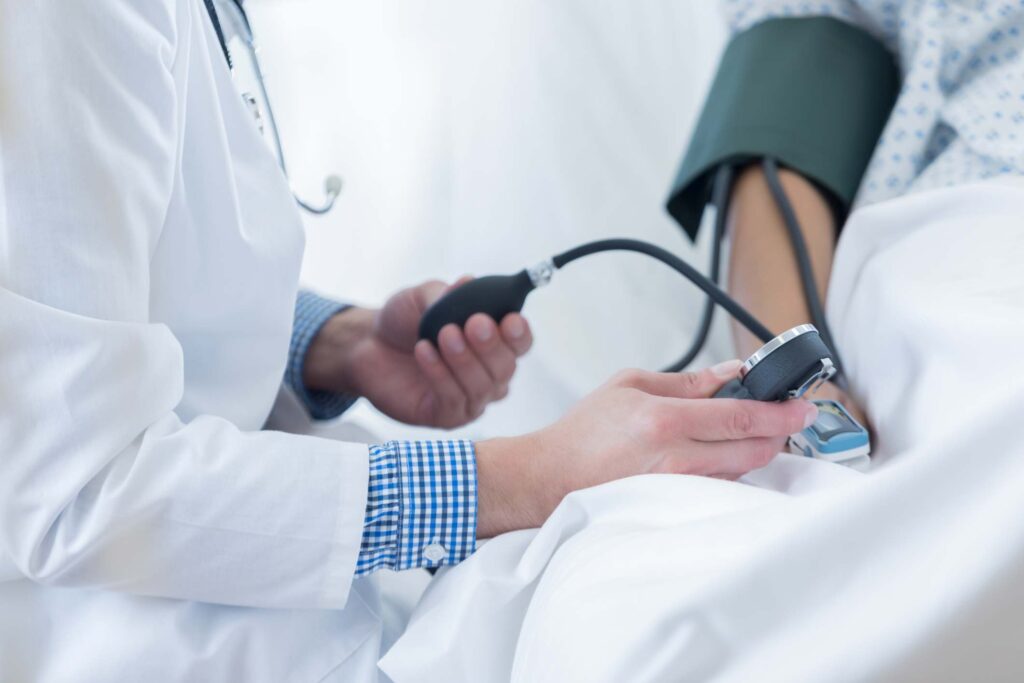
What Is Supine Blood Pressure
Doctors use the term supine blood pressure to mean the pressure of your blood against your artery walls when you’re lying flat on your back. This measurement gives a different and important view compared to readings taken while you’re sitting or standing. The difference between standing and lying blood pressure can help doctors find unusual heart patterns early. Most of the time, lying down makes it easier for your heart to pump. However, some people see a risky increase in their blood pressure when they lie down.
Why Does Blood Pressure Change When Lying Down?
Patients often ask the CardioNow team what could possibly cause high blood pressure when you are lying down. Several complex physiological mechanisms drive these positional changes in your cardiovascular system daily. Your body constantly adapts to physical orientation to ensure adequate circulation reaches your vital organs. Some of the reasons that blood pressure changes when lying down include:
- Fluid redistribution instantly shifts volume toward your core.
- Autonomic reflexes dynamically alter your resting heart rate.
- Hormonal signals continuously modify your vascular tone.
The Role of Gravity and Fluid Redistribution
Gravity plays a big role in how lying down affects your blood pressure. When you lie flat, gravity’s pull is reduced, so blood moves differently than when you’re standing. Supine hypertension happens if your body can’t adjust to this change, which can be a sign of problems with your nerves or kidneys. Instead of relaxing, your blood vessels may tighten, making your heart work harder.
Nervous System Responses and Monitoring
Your autonomic nervous system controls your heart and blood vessels by sending quick signals to tighten or relax them. Sometimes, these signals don’t work as they should when you change positions, which can put extra strain on your heart at night. CardioNow’s Holter and Remote Monitoring services can track these changes while you’re at home. By collecting detailed information during your normal nighttime routine, our team gets a clear view of how your heart works at night. Watching these patterns closely helps us catch problems early.
Underlying Health Conditions
Some health problems can make it hard for your body to control blood pressure. For example, autonomic dysfunction affects the nerve signals that help your arteries relax. Kidney problems are also important considerations because your kidneys control blood volume and sodium levels. People with kidney issues may have trouble handling quick changes in fluid when lying down. Finding these hidden causes helps doctors choose the right treatments to keep your heart healthy.
When Is It Useful to Measure Blood Pressure Lying Down?
To find out if you have hidden heart stress at night, it’s important to test your blood pressure in different positions. High blood pressure while resting can raise your risk of heart failure and speed up plaque buildup in your arteries. CardioNow offers advanced CCTA and Plaque Analysis to check for these risks. By looking at your heart health in different positions, our team can get a complete picture of your vascular health. Early testing with these tools helps catch small problems before they get worse.
Schedule a Test at CardioNow
Checking your blood pressure in different positions is important for keeping your heart healthy. We encourage you to schedule a test at CardioNow and use our advanced diagnostic tools. By testing early, you can make sure your heart works well no matter how you sleep or move. Contact our team today to book your screening and protect your heart health.
