
Embracing AI and Wearable Tech in Cardiovascular Healthcare
The intersection of artificial intelligence (AI) and wearable technology is driving one of the most significant transformations in modern medicine, particularly within cardiology. Cardiovascular diseases (CVDs) remain the leading cause of death globally, necessitating a shift from reactive treatment to proactive, continuous management.
Today, sophisticated smart health devices and advanced algorithms are empowering both patients and clinicians by turning daily wear into a life-saving medical intervention. By integrating these innovations into clinical practice, we can detect anomalies earlier, personalize treatment pathways, and ultimately save lives. CardioNow guides you on the vitality of embracing AI and wearable tech in cardiovascular healthcare.
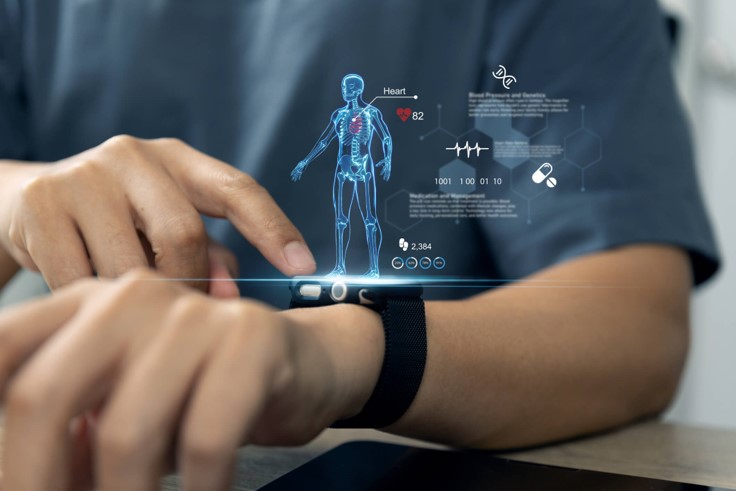
The Evolution of Cardiac Monitoring: From Holter to Wearables
For decades, ambulatory cardiac monitoring relied heavily on the Holter monitor, a bulky, external device that patients wore for 24 to 48 hours. While effective for capturing transient arrhythmias during that specific window, its limitations were clear. It was uncomfortable, restricted physical activity, and offered only a brief snapshot of a patient’s cardiac activity.
Modern smart health tracking devices have completely redefined this experience. Today’s consumer wearables, ranging from smartwatches and rings to discreet chest patches, are lightweight, water-resistant, and designed for continuous, long-term use. These devices use photoplethysmography (PPG) sensors to measure heart rate variability and blood volume changes, while advanced models feature built-in electrocardiogram (ECG) sensors that detect irregular rhythms on demand. This shift to continuous, unobtrusive monitoring ensures that sporadic cardiac events, which might be missed during a standard clinic visit or a 24-hour Holter test, are captured in real-time.
The Role of AI in Cardiovascular Disease and Diagnostics
While smart health monitoring devices are excellent at gathering vast amounts of physiological data, the sheer volume of this data can easily overwhelm healthcare systems. This is where AI in cardiovascular disease management becomes indispensable. Artificial intelligence acts as a highly sophisticated clinical assistant, sorting through millions of data points to identify clinically relevant patterns. Some of the other roles of AI in cardiovascular disease management include:
- Detecting Micro-Patterns in ECGs: AI algorithms excel at detecting subtle micro-patterns in ECG readings that are invisible to the human eye. For instance, machine learning models can analyze continuous ECG data to predict the onset of atrial fibrillation (AFib) hours before symptoms occur.
- Enhancing Medical Imaging: AI in cardiac care is being utilized to analyze medical imaging—such as echocardiograms, cardiac MRIs, and CT scans—with unprecedented speed and accuracy.
- Optimizing Clinical Workflows: By automating routine measurements and highlighting areas of concern, AI reduces diagnostic backlogs, minimizes human error, and allows cardiologists to safely focus their expertise on complex decision-making and formulating highly effective, personalized treatment plans.
Smart Data for Highly Accurate, Proactive Care
The true value of wearable technology lies in its integration into the broader clinical workflow. When a patient wears a smart device, the collected data must be structured in a way that is actionable for our medical team. Modern cardiac practices are beginning to implement cloud-based platforms that safely and securely transmit data from a patient’s wearable device, check it using AI, and alert your care team if any readings looking concerning.
This continuous feedback loop changes the dynamic of patient-provider interactions. Instead of waiting for a patient to experience palpitations or chest pain before seeking help, clinicians can proactively reach out to catch heart issues earlier, refine your treatment to pinpoint accuracy, and prevent medical emergencies before they happen. This preventive approach not only improves patient outcomes but also significantly reduces emergency room visits and hospital readmissions, lowering the overall cost burden on the healthcare system.
The Future of Connected Cardiology
Looking ahead, the synergy between AI and wearable technology will only deepen. We are moving toward a future of “predictive cardiology,” where multi-modal AI models combine wearable data with genetic information, electronic health records, and lifestyle factors to create a highly personalized cardiovascular risk profile. These systems will not only warn us of impending arrhythmias but could also predict acute events like heart failure exacerbations days in advance, allowing for timely, preventative intervention.
Empowering You for the Future of Cardiac Care
CardioNow helps patients have a healthier tomorrow. Navigating the rapidly evolving landscape of digital health can be challenging, but you do not have to do it alone. If you are interested in using smart health monitoring devices to manage your heart, we are here to support you. Contact our cardiac care team today to learn more about our safe, effective, and cutting-edge remote monitoring solutions.
