
What is Peripheral Artery Disease (PAD)?
Peripheral Artery Disease (PAD) is a common circulatory condition in which narrowed or blocked arteries reduce blood flow to the limbs, most often the legs. It’s typically caused by atherosclerosis, a buildup of fatty deposits (plaque) inside the arteries.
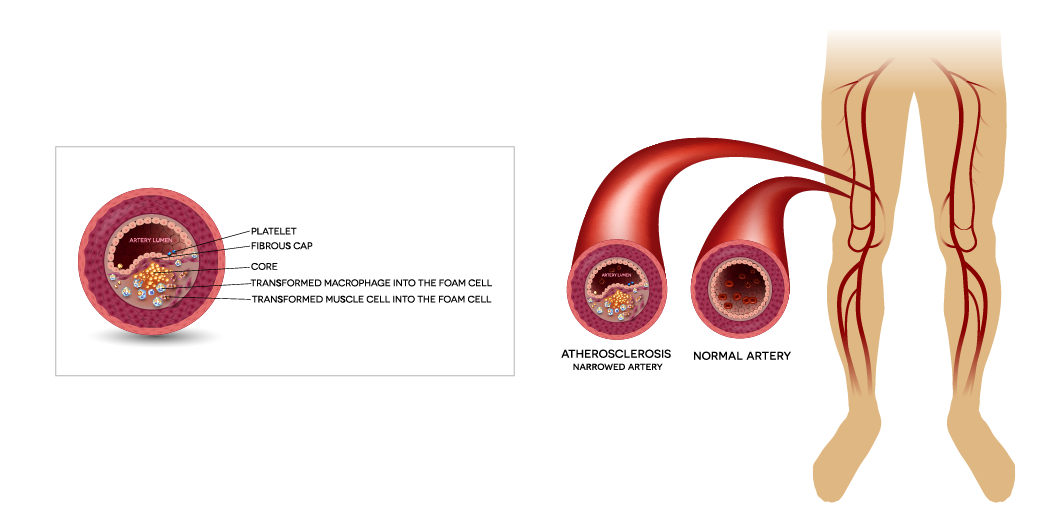
Because your muscles aren’t getting enough oxygen-rich blood, PAD can lead to pain, mobility issues, and more serious complications if left untreated.

Common Symptoms of PAD
PAD can develop gradually, and some people may not notice symptoms at first. When symptoms do appear, they often include:
- Leg pain while walking (called claudication) that improves with rest
- Cramping, fatigue, or heaviness in the legs
- Coldness in the lower leg or foot, especially compared to the other side
- Numbness or weakness
- Slow-healing wounds on the feet or toes
- Shiny skin or hair loss on the legs
Severe PAD can lead to critical limb ischemia, a serious condition that may threaten limb health.
What Causes PAD?
The primary cause is atherosclerosis, but several factors increase your risk:
- Smoking
- Diabetes
- High blood pressure
- High cholesterol
- Obesity
- Sedentary lifestyle
- Age (risk increases over the age of 50)
PAD is also closely linked to heart disease and stroke, making early detection especially important.
How is PAD Diagnosed?
A cardiovascular specialist will conduct a physical exam and may use:
- Ankle-Brachial Index (ABI) – compares blood pressure in the ankle and arm
- Vascular Ultrasound – imaging to assess blood flow and identify narrowed arteries
- Angiography (CT or MRI) – creates detailed artery visualization
- Blood Tests – measures cholesterol, Triglycerides, glucose levels to identify contributing factors
Treatment Options for PAD
Lifestyle Changes
Managing PAD requires significant lifestyle changes to improve circulation, reduce leg pain, and prevent cardiovascular events.
- Smoking cessation
- Exercise therapy (often supervised walking programs)
- Eating a heart-healthy diet
- Managing diabetes
Medications
- Statins: Lower LDL cholesterol to protect against limb loss and cardiovascular events.
- Antiplatelet Agents: Aspirin or clopidogrel (Plavix) to prevent blood clots.
- Vasodilators/Leg Pain Medication: Cilostazol is commonly used to improve walking distance.
- Blood Pressure Medicine: To manage hypertension and reduce cardiovascular risk.
Minimally Invasive Procedures
These are commonly performed by interventional cardiologists or vascular specialists:
- Angioplasty: A balloon is used to open narrowed arteries
- Stenting: A small mesh tube keeps the artery open
- Atherectomy: A catheter with a rotating blade or laser-tipped device is used to scrape or dissolve plaque from the artery walls.
- Endovascular Cryoplasty: This combines angioplasty with freezing (nitrous oxide) to break up plaque and reduce the risk of the artery re-narrowing.
- Lithotripsy: Uses sound waves (shock waves) to break up calcified, hardened plaque within the artery.
Surgical Treatments
Recommended for severe blockages, critical limb ischemia, or cases where endovascular options are not suitable.
- Peripheral Bypass Surgery: A graft (your own vein or synthetic tube) is used to create a new route for blood flow around the blocked artery.
- Endarterectomy: A surgical incision is made directly in the artery to remove the plaque buildup.

Why Early Treatment Matters
PAD is more than just leg pain—it’s a warning sign of widespread vascular disease. Early diagnosis and treatment can:
- Improve quality of life
- Restore mobility
- Reduce risk of heart attack and stroke
- Prevent serious complications, including
limb loss

When Should You See a Specialist?

Schedule a Consultation
If you’re experiencing symptoms of Peripheral Artery Disease or have risk factors that concern you, don’t wait to get answers. CardioNow offers fast access to expert vascular specialists who can evaluate your condition and recommend the most effective treatment options—including advanced therapies like Shockwave.
Schedule your appointment today and take the first step toward better circulation and improved quality of life.
