
How Genetics Influence Your Heart Disease Risk
When it comes to cardiovascular health, we often focus on the variables we can control of maintaining a balanced diet, staying physically active, and managing stress levels. These lifestyle choices are vital cornerstones of prevention. Another profound factor silently shapes your cardiovascular profile from birth, your DNA.
Understanding how your family history and genetic makeup influence your heart health is not about predicting an unavoidable outcome. It’s more about uncovering crucial insights that empower you to take proactive, preventive steps. You and your cardiac care team can design a personalized roadmap to protect your heart when you identify your unique genetic risks early.
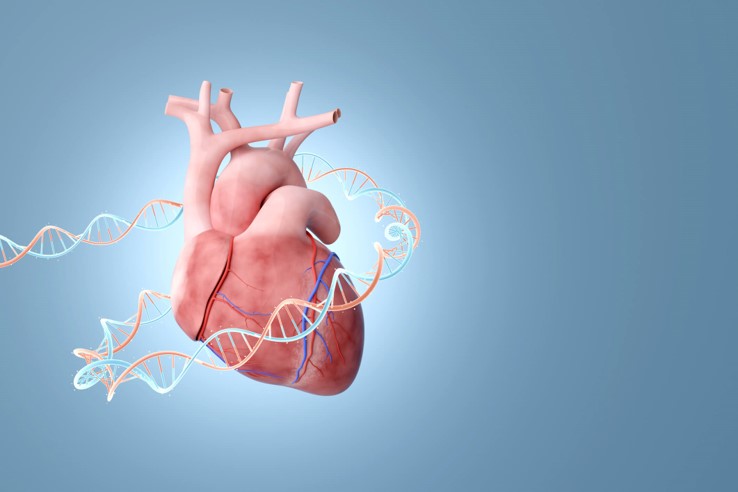
Is Heart Disease Hereditary?
The short answer is yes, but the relationship between genetics and coronary heart disease is complex. Unlike simple genetic traits, such as eye color, most cardiovascular conditions are multifactorial. This means they result from an intricate interaction between multiple genes and environmental factors. If you have a first-degree relative (a parent or sibling) who experienced a cardiac event before age 55 for men or age 65 for women, your own risk of developing cardiovascular disease may be significantly elevated. This hereditary link often manifests through shared genetic predispositions to specific risk factors, including:
- High Blood Pressure (Hypertension) – Genetic variations can affect how your body regulates blood vessel tone and processes sodium.
- Elevated Cholesterol Levels – Your liver’s ability to clear LDL (often termed “bad”) cholesterol from your bloodstream is heavily regulated by your DNA.
- Type 2 Diabetes – Genetic factors can influence insulin sensitivity and glucose metabolism, indirectly impacting arterial health.
Inherited Cardiac Conditions: When DNA Plays a Direct Role
While general coronary artery disease is usually a blend of genetics and lifestyle, certain conditions are directly caused by specific, single-gene mutations passed down through generations. These inherited cardiovascular disorders require close medical surveillance:
Familial Hypercholesterolemia (FH)
Familial Hypercholesterolemia is a genetic disorder that prevents the body from recycling LDL cholesterol. This leads to exceptionally high cholesterol levels from birth, dramatically accelerating the risk of early-onset coronary heart disease. Because FH is genetic, diet and exercise alone are rarely sufficient to lower cholesterol to safe levels, making early clinical intervention essential.
Genetic Cardiomyopathies
Conditions like Hypertrophic Cardiomyopathy (HCM) cause the heart muscle to become abnormally thick, making it harder for the heart to pump blood. This is a primary example of a genetic heart problem that can exist silently without any external symptoms for years, highlighting the value of familial screening.
Inherited Arrhythmias
Genetic mutations can also affect the heart’s electrical system, leading to irregular heartbeats (arrhythmias) such as Long QT Syndrome. QT refers to a specific measurement on an electrocardiogram (ECG/EKG) that tracks your heart’s electrical cycle. If left unmonitored, these electrical disruptions can cause sudden fainting or more severe cardiac complications.
The Role of a Heart Disease Genetic Test
In the past, understanding your hereditary risk relied entirely on constructing a detailed family tree. While family history remains an invaluable diagnostic tool, modern medicine now offers a more precise resource in the heart disease genetic test. Genetic testing for cardiovascular disease genetics involves analyzing a blood or saliva sample to identify specific mutations associated with inherited heart conditions.
Who Should Consider Genetic Testing?
Genetic testing is not typically recommended for everyone. It is highly beneficial if you have:
- A personal or family history of unexplained cardiac arrest or sudden unexpected death at a young age.
- A diagnosed family member with an inherited heart condition like FH or HCM.
- Extremely high cholesterol levels (such as LDL levels above 190 mg/dL) that do not respond to standard lifestyle modifications.
- A history of early-onset heart disease across multiple generations.
Knowing your genetic status allows your cardiologist to implement highly targeted therapies, establish appropriate screening intervals for you or your relatives, and offer peace of mind through definitive answers.
Empowering Your Heart: Turning Knowledge into Action
Discovering a genetic predisposition to heart disease can feel overwhelming, but it is important to remember that genetics is not destiny. Your DNA represents your susceptibility, not a guarantee of illness. In fact, clinical studies consistently show that a rigorous, heart-healthy lifestyle can substantially offset even a high genetic risk. By combining genetic insights with proven preventive strategies, you can actively protect your cardiovascular system:
- Tailored Screenings – Knowing your risks allows your physician to order specialized tests, such as coronary ct angiography (CCTA) or advanced lipid panels, much earlier than standard guidelines suggest.
- Precision Therapeutics – Certain genetic profiles respond better to specific medications. This knowledge allows our medical team to bypass trial-and-error prescribing.
- Targeted Lifestyle Changes – If you know you are genetically prone to high blood pressure (hypertension), you should be exceptionally vigilant about sodium intake, stress management, and regular aerobic exercise.
Partner with Us for Your Cardiovascular Health
CardioNow provides comprehensive cardiovascular services. We understand your family history is a powerful tool for your future health. Whether you have a known history of heart problems in your family or are simply looking to establish a proactive cardiovascular wellness plan, our expert cardiac team is here to guide you. We offer comprehensive risk assessments, advanced diagnostic imaging, and personalized genetic counseling to help you understand your unique profile and take control of your heart health. Schedule a comprehensive cardiovascular consultation with our specialists todayto map out a personalized prevention strategy designed specifically for you and your family.
