
Connection Between Heart Disease and Diabetes: What You Need to Know
For individuals living with diabetes, managing blood sugar is often the primary focus of daily healthcare. Cardiovascular wellness is an equally critical aspect of health that requires proactive attention. Understanding the profound connection between heart disease and diabetes is one of the most empowering steps you can take to safeguard your long-term health and vitality.
Education is the first line of defense. Recognizing the subtle warning signs of heart issues, and implementing targeted lifestyle strategies, you can significantly lower your risks and protect your heart. CardioNow explores all you need to know about cardiac care for diabetes.
The Connection: How Diabetes Affects the Heart
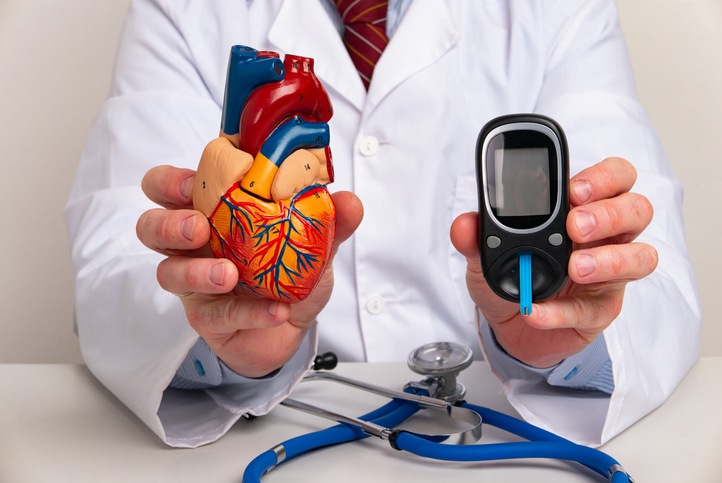
It is a striking medical reality that adults with diabetes are twice as likely to develop heart disease or experience a stroke compared to those without the condition. To understand why, it helps to examine how diabetes affects heart structures and blood vessels over time.
High blood glucose levels from diabetes can damage the blood vessels and the nerves that control your heart. Over time, this damage leads to a condition known as atherosclerosis, or the buildup of fatty plaques inside the arteries. As these vessels narrow and harden, the heart must work much harder to pump blood, drastically increasing the risk of high blood pressure, heart failure, and coronary artery disease.
Furthermore, individuals with type 2 diabetes frequently present with a cluster of metabolic risk factors, often referred to as diabetic dyslipidemia. This condition typically involves:
- High LDL (“Bad”) Cholesterol – Which contributes directly to arterial plaque buildup.
- Low HDL (“Good”) Cholesterol – Reducing the body’s natural ability to clear plaque from the arteries.
- High Triglycerides – Another type of blood fat that increases cardiovascular risk.
- High Lipoprotein(a) or Lp(a) – A particle that carries cholesterol in the blood that is determined primarily by genetics and more dangerous that regular LDL.
When combined, these factors create a challenging environment for your vascular system, making the management of CVD and diabetes a top priority for clinical specialists.
Recognizing the Symptoms: Heart Attacks in Diabetics
Recognizing the signs of cardiovascular distress is critical for everyone, but it is especially vital and uniquely challenging for those living with diabetes.
In the general population, a heart attack is often signaled by crushing chest pain that radiates down the left arm. A heart attack in diabetics symptoms can be remarkably subtle or even entirely absent. This phenomenon is known as a “silent” heart attack.
Diabetes can cause diabetic neuropathy, a type of nerve damage that dulls the pain signals your body would normally send during cardiac distress. As a result, you might not feel classic chest pain. Instead, you must remain vigilant for these less obvious warning signs:
- Unexplained, sudden shortness of breath during mild activity or rest.
- Overwhelming fatigue, weakness, or a sudden feeling of lightheadedness.
- Profuse, cold sweating without an obvious cause.
- Nausea, indigestion, or pain that feels like heartburn in the upper abdomen.
- Mild discomfort, pressure, or aching in the jaw, neck, back, or throat.
If you or a loved one experiences any of these symptoms, it is crucial to seek emergency medical attention immediately. Treating these signs with the utmost seriousness can save lives and limit permanent damage to the heart muscle.
Proactive Steps to Protect Your Heart
While the connection between diabetes and heart problems is significant, your diagnosis does not guarantee cardiovascular complications. You have immense control over your health outcome. By taking a proactive, comprehensive approach to your daily wellness, you can dramatically reduce your risks.
1. Manage the “ABCDEs” of Diabetic Heart Health
Cardiologists and endocrinologists recommend focusing on five key areas of metabolic control:
- A – A1C Test – Keep your average blood sugar over the past three months within your target range (typically below 7% for most adults).
- B – Blood Pressure – Aim to keep your blood pressure below 130/80 mmHg, or the specific target set by your physician.
- C – Cholesterol – Manage your lipid levels through diet, exercise, and, when prescribed, statin therapy to protect your arterial walls.
- D – Diet and Weight – Focus on a heart-healthy diet rich in fiber, lean proteins, vegetables, and healthy fats while minimizing processed sugars and trans fats.
- E – Exercise – Engage in at least 150 minutes of moderate-intensity physical activity weekly to strengthen your heart muscle and improve insulin sensitivity.
2. Avoid Smoking
Smoking damages blood vessels, accelerates the hardening of the arteries, and doubles the risk of heart disease in people with diabetes. If you smoke, quitting is the single most impactful action you can take to protect your cardiovascular system.
3. Partner with a Specialized Care Team
Managing CVD and diabetes requires a collaborative approach. Regular consultations with a cardiologist who understands the metabolic complexities of diabetes ensure that you receive the correct diagnostic screenings, such as stress tests, echocardiograms, or plaque analysis, long before symptoms appear.
Understanding Your Cardiac Testing Options
At our clinic, we utilize advanced on-site cardiac testing to detect potential issues early and gather precise insights into your heart’s daily function. To help you understand your preventive care options, here is an overview of the specialized diagnostic services we offer:
- Coronary CT Angiogram – This highly effective, advanced non-invasive imaging test uses a specialized contrast dye to detect plaque buildup and blockages within your coronary arteries.
- Cardiac PET Scan – As the most advanced form of nuclear cardiac imaging available, a PET scan provides real-time, highly detailed assessments of blood flow to your heart muscle during periods of stress.
- Stress Test – By evaluating your cardiovascular performance during exercise, this test uses electrocardiography (ECG) and real-time ultrasound to monitor electrical activity and assess how well your heart pumps under physical exertion.
- Echocardiogram – This non-invasive ultrasound of the heart provides our specialists with detailed images of your heart’s structure, allowing us to closely evaluate your heart valves and overall muscle function.
- Electrocardiogram (ECG) – A quick, foundational test that records your heart’s electrical activity to safely detect irregular rhythms (arrhythmias) or identify signs of past cardiac strain.
- Cardiac Monitor – For continuous observation, these lightweight, wearable devices record your heart’s electrical patterns over an extended period to capture sporadic symptoms as you go about your daily life.
Partner with Us for Your Heart Health
CardioNow’s specialists are highly experienced in identifying the unique, often hidden cardiovascular risks associated with diabetes. Protecting your heart when managing diabetes requires a dedicated, expert medical team that looks at your complete health profile. Through state-of-the-art diagnostic testing, personalized lifestyle treatments, and advanced medical management, we work alongside you to design a clear, preventive roadmap. Schedule a comprehensive cardiovascular consultation with our specialists today.
