
What Is Hypertension?
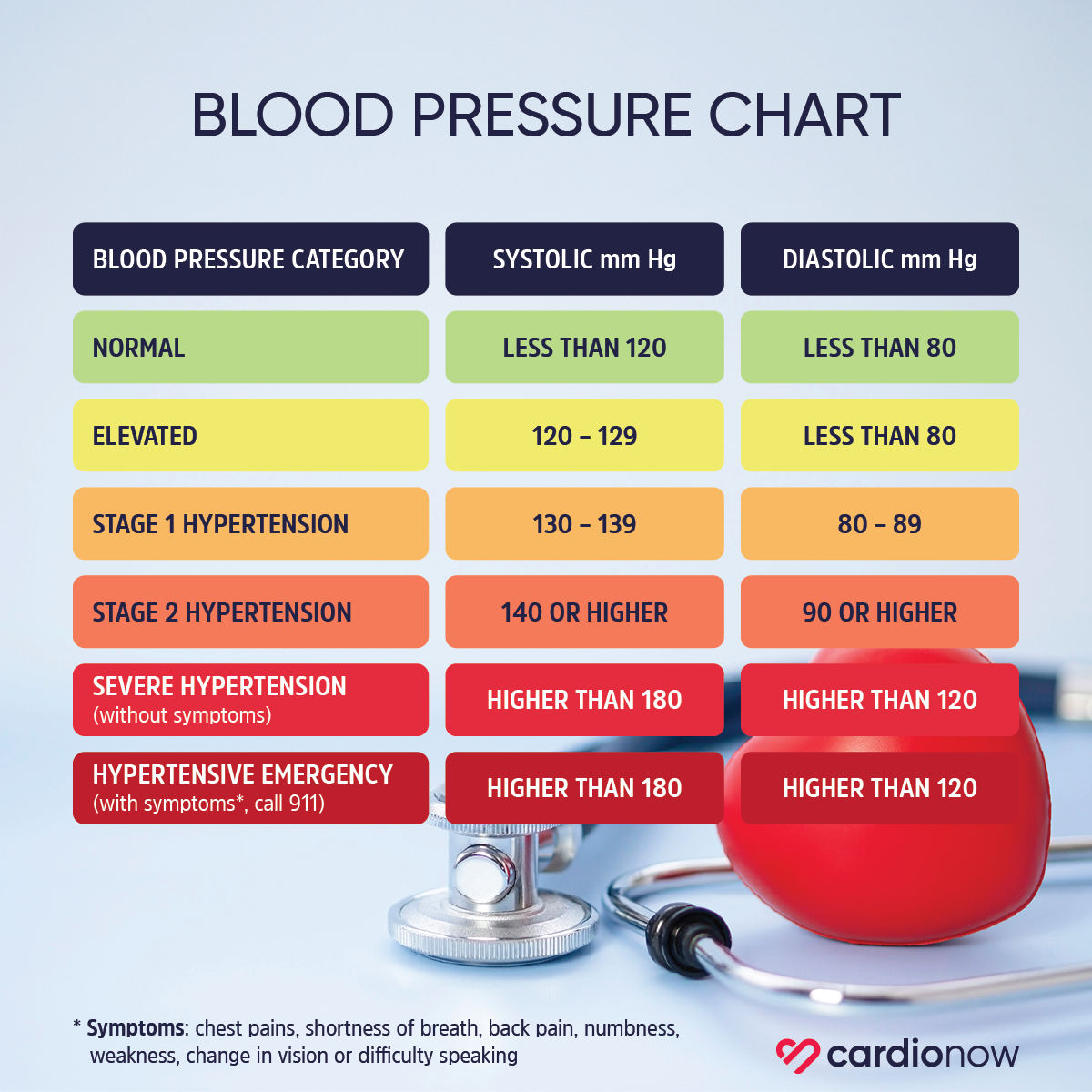
How Is Blood Pressure Measured?
Blood pressure is measured using two numbers:
Systolic pressure (top number): Pressure when the heart beats
Diastolic pressure (bottom number): Pressure when the heart rests between beats
Common Causes of Hypertension
Primary (Essential) Hypertension
This is the most common type and develops gradually over time. There’s no single identifiable cause, but it’s linked to a combination of:- Genetics (family history of high blood pressure)
- Aging (arteries naturally stiffen over time)
- Overweight or obesity
- High sodium (salt) intake
- Physical inactivity
- Excess alcohol use
- Chronic Stress
- Smoking
Secondary Hypertension
This type is caused by an underlying medical condition or medication. It tends to appear suddenly and may be more severe.
- Kidney disease
- Thyroid disorders
- Adrenal gland disorders
- Obstructive sleep apnea
- Medications (decongestions, NSAIDs, birth control pills, steroids)
- Pregnancy-related conditions

When Should You See A Cardiologist?
Many people manage high blood pressure with their primary care or family doctor—and that’s often a great place to start.
But when it comes to protecting your heart long term, a cardiologist brings additional expertise that can make a real difference.
For patients with uncontrolled or resistant hypertension who have struggled to achieve adequate blood pressure control, an innovative hypertension treatment, Renal Denervation, may be an option for you. LEARN MORE.
What Cardiologists Do Differently
- We look beyond the numbers
Blood pressure is only part of the story. Cardiologists evaluate how hypertension is affecting:- Your heart muscle
- Your heart rhythm
- Your blood vessels
This helps catch silent heart damage early—before symptoms like chest pain or shortness of breath appear.
- Advanced heart testing when it matters
Cardiologists can use tools such as:
- Echocardiograms (heart ultrasound)
- ECGs and rhythm monitoring
- Cardiac imaging
These tests help determine whether high blood pressure is already straining your heart—and guide more precise treatment.
- Expertise in difficult-to-control blood pressure
If your blood pressure stays high despite medication, cardiologists can:
- Fine-tune medication combinations
- Identify hidden causes of hypertension
- Reduce side effects that make meds hard to take
This is especially important if you’re on multiple medications or still seeing high readings.
- Whole-heart risk prevention
High blood pressure often travels with other risks like high cholesterol, diabetes, sleep apnea, or family history of heart disease. Cardiologists focus on preventing heart attacks, strokes, and heart failure, not just treating today’s readings.
- Specialized care for higher-risk patients
Seeing a cardiologist is especially helpful if you have:- Long-standing or early-onset hypertension
- Diabetes or kidney disease
- Prior heart disease or stroke
- Symptoms like chest pain, palpitations, or shortness of breath

How Cardiologists and Primary Care Work Together
Primary care doctors and family physicians are essential partners in hypertension care. Cardiologists add value when blood pressure becomes complex, high-risk, or when protecting the heart requires deeper evaluation.

The Takeaway
High blood pressure is a heart disease risk, not just a routine diagnosis.
A cardiologist helps ensure your treatment plan isn’t just lowering numbers—but actively protecting your heart for the future. Contact us to schedule a comprehensive and advanced heart screening and take a proactive step toward a healthier heart and peace of mind.
