
Understanding HDL Cholesterol
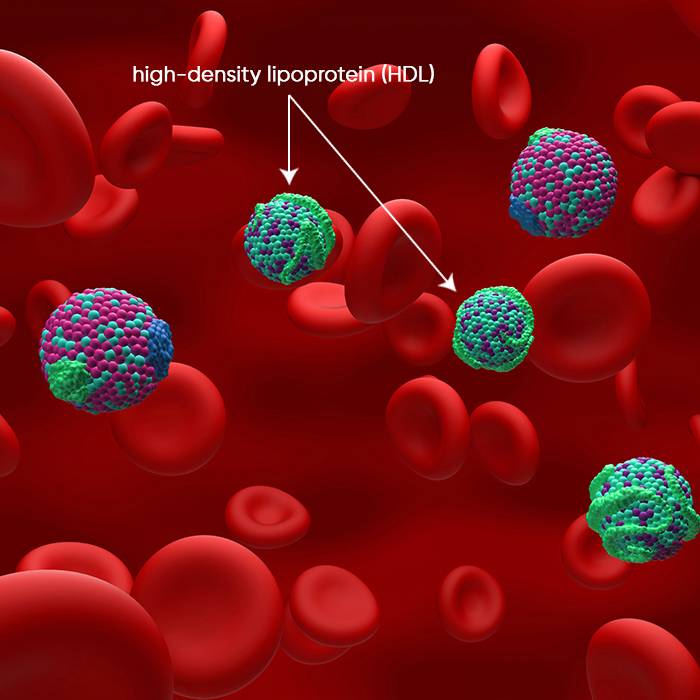
High-density lipoprotein (HDL) , often called the “good” cholesterol, plays an important role in protecting your heart. Unlike other types of cholesterol, HDL helps remove excess cholesterol from your bloodstream and carries it back to the liver, where it can be processed and eliminated from the body.
Why HDL Cholesterol Matters
Higher levels of HDL cholesterol are associated with a lower risk of heart disease. HDL protect the heart by transporting excess cholesterol from the bloodstream and arterial walls to the liver for excretion, which prevent cholesterol from building up in your arteries, reducing the risk of blockages that can lead to heart attack or stroke.
HDL particles also carry antioxidant and anti-inflammatory proteins that stabilize plaques and support immune signaling.
What Is A Healthy HDL Level?
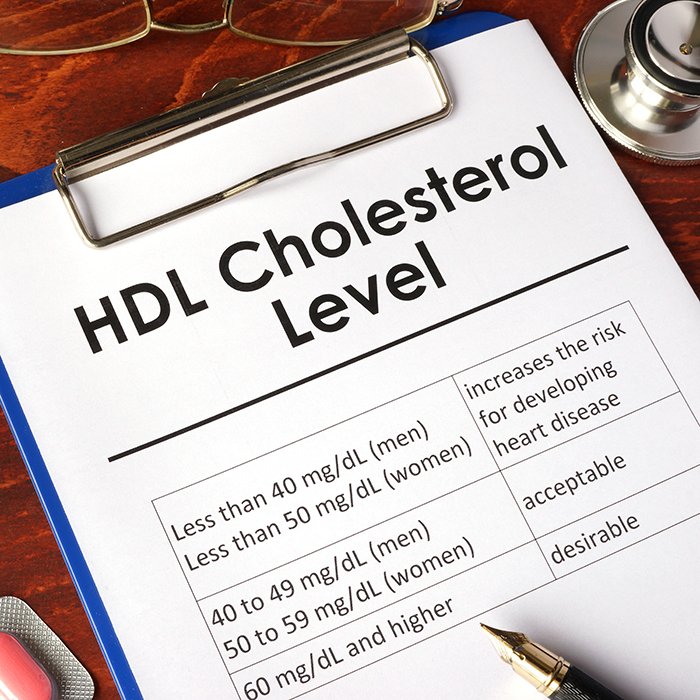
Ideally, your HDL should be between 60 and 80 mg/dL to protect you against heart disease.
General guidelines:- 40 mg/dL or higher is considered healthy
for men - 50 mg/dL or higher is considered healthy
for women - 60 mg/dL or higher is considered protective
against heart disease
Low HDL levels may increase your risk of cardiovascular disease, especially when combined with high LDL (“bad” cholesterol) or triglycerides.
What Affects HDL Levels?
HDL ("good") cholesterol is primarily affected by lifestyle habits, genetics, and health conditions.
Several factors that influence your HDL cholesterol levels include:- Physical activity – Regular exercise can help raise HDL
- Diet – Healthy fats (like those found in fish, nuts, and olive oil) support higher HDL levels
- Smoking – Lowers HDL and damages blood vessels
- Weight – Being overweight can reduce HDL levels
- Genetics – Family history can play a role

How To Improve Your HDL Cholesterol
You can take steps to raise your HDL levels and support heart health:
- Stay active with regular aerobic exercise (30 minutes a day)
- Choose heart-healthy fats and limit processed foods
- Quit smoking if you currently smoke
- Maintain a healthy weight
- Quit smoking

When To See A Cardiologist
If your HDL cholesterol is low, especially alongside other risk factors like high cholesterol, high blood pressure, or diabetes, it may be time to see a cardiologist. They can evaluate your risk and recommend next steps to protect your heart health.
CardioNow provides routine HDL cholesterol testing with physician-reviewed results as part of your comprehensive cardiovascular care. Schedule a blood test for greater clarity and improved care.
