
Understanding Triglycerides
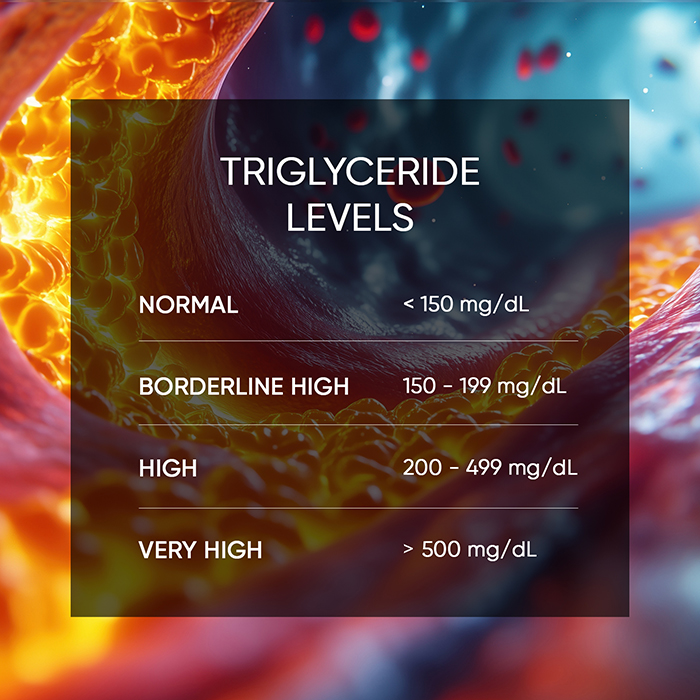
Triglyceride Levels Explained
A simple blood test called a lipid panel measures your triglyceride levels. Testing is typically done after fasting for 9–12 hours.
- Normal: Less than 150 mg/dL
- Borderline High: 150–199 mg/dL
- High: 200–499 mg/dL
- Very High: 500 mg/dL or higher
Keeping your triglycerides within a healthy range is an important part of overall heart health.
What Causes High Triglycerides?
Several factors can push triglycerides into an unhealthy range. Diet is the most immediate — excess sugar, refined carbohydrates, and alcohol are major contributors. Beyond diet, certain medications and underlying conditions also play a role. Causes of high triglycerides include:
- Diet high in sugars and refined carbohydrates
- Excess calorie intake
- Being overweight or inactive
- Smoking
- Excessive alcohol use
- Certain medications ((including corticosteroids, beta-blockers, and some diuretics)
- Underlying medical conditions (Type 2 diabetes and insulin resistance, hypothyroidism, and kidney disease)
- Genetics (familial hypertriglyceridemia is an inherited condition that causes elevated levels regardless of lifestyle)
Often, high triglycerides occur alongside other cholesterol abnormalities.

How To Lower Triglycerides
Improving triglyceride levels typically involves simple, sustainable lifestyle changes. Even modest improvements can produce meaningful reductions within weeks.
- Eat a heart-healthy diet rich in fruits, vegetables, and whole grains
- Reduce sugar and processed food intake
- Maintain a healthy weight
- Exercise regularly
- Limit alcohol consumption
In some cases, medication may be recommended by your provider.

When To See A Cardiologist
If you have high triglycerides, especially alongside other risk factors like diabetes, high cholesterol, or a family history of heart disease, it’s important to seek expert guidance. A cardiologist can evaluate your overall risk and develop a personalized plan to help protect your heart.
Routine blood testing is the first step. At CardioNow, triglyceride levels are measured as part of comprehensive cholesterol testing, with results reviewed by a physician to ensure timely, accurate care.
