
Understanding LDL
What is LDL?
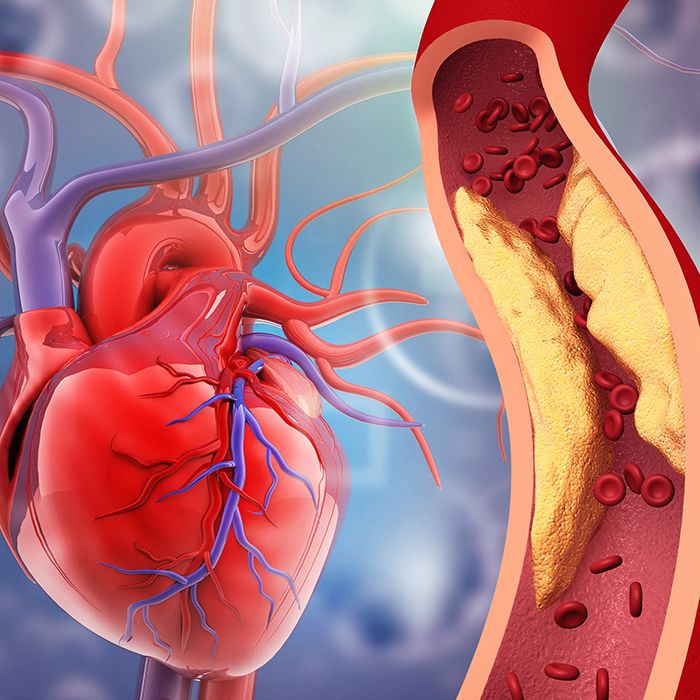
LDL is a type of lipoprotein that carries cholesterol from your liver to the rest of your body. Cholesterol itself is necessary for building cells and producing hormones, but too much LDL in the bloodstream can become dangerous.
When LDL levels are high, cholesterol can build up along the walls of your arteries. Over time, this buildup forms plaque, which narrows the arteries and reduces blood flow to the heart, brain, and other vital organs.
Why Is LDL is Called “Bad” Cholesterol?
LDL is considered "bad" cholesterol because high levels lead to plaque buildup in artery walls, a condition called atherosclerosis (hardening and narrowing of the arteries). This buildup narrows vessels, restricts blood flow, and significantly increases the risk of:
- Heart attacks
- Strokes
- Peripheral artery disease (PAD)
Excess LDL can silently damage your cardiovascular system for years before symptoms appear.
What is a Healthy LDL Level?
Your ideal LDL level depends on your personal risk factors, including family history, diabetes, smoking, blood pressure, and existing heart disease.
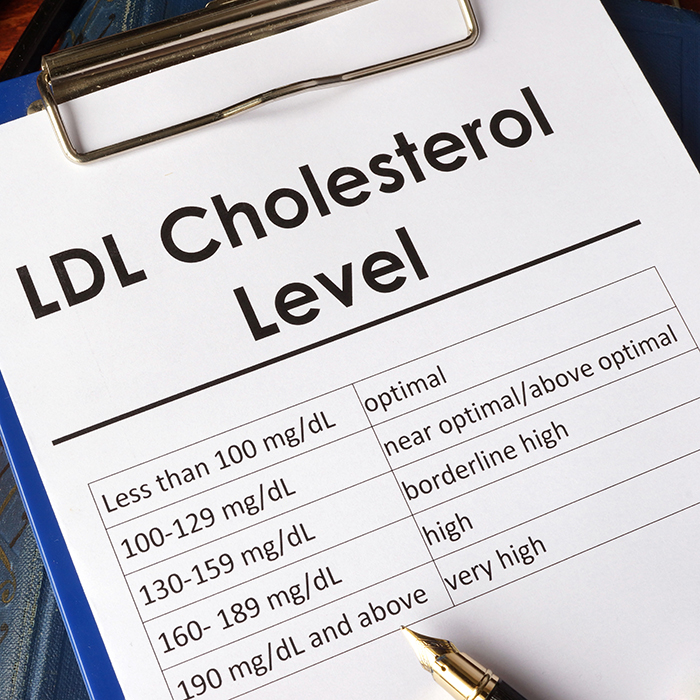
General guidelines:- Optimal: Less than 100 mg/dL
- Near optimal: 100–129 mg/dL
- Borderline high: 130–159 mg/dL
- High: 160–189 mg/dL
- Very high: 190 mg/dL or higher
For patients at high or very high cardiovascular risk, doctors may recommend even lower LDL targets.
What Raises LDL Cholesterol?
Several factors can increase LDL levels, which is driven by a combination of lifestyle choices, genetics, and underlying medical conditions. Key factors include:
- Diet high in saturated and trans fats. No more than 10% of your daily calories should come from saturated fats.
- Lack of physical activity is linked to a higher risk of lowering HDL (“good”) cholesterol that carries LDL away from arteries.
- Being overweight or obese alters how the body produces and manages lipids impairing the body’s ability to clear LDL from the bloodstream.
- Smoking lowers HDL cholesterol, particularly in women, and raises LDL cholesterol.
- Stress may raise levels of certain hormones, such as corticosteroids. These can cause your body to make more cholesterol.
- Genetics (such as familial hypercholesterolemia) can lead to high LDL regardless of a healthy lifestyle.
- Age and sex. As people age, LDL tends to rise. Typically women can experience a rise in LDL after menopause
- Medical conditions like diabetes, hypothyroidism, kidney disease, and liver disease.

How Can You Lower Your LDL Cholesterol Levels
Lowering LDL is one of the most powerful ways to reduce your risk of heart disease.
Lifestyle Changes- Eat a heart-healthy diet rich in fruits, vegetables, whole grains, and lean proteins
- Limit red meat, fried foods, and processed snacks
- Exercise at least 150 minutes per week
- Maintain a healthy weight
- Quit smoking
Medical Treatment
When lifestyle changes aren’t enough, your provider may recommend cholesterol-lowering medications such as statins, ezetimibe, or injectable therapies for patients with very high risk.

Take Control of Your Heart Health
Understanding your LDL is the first step toward preventing heart disease. With the right testing, lifestyle choices, and treatment plan, you can protect your arteries and your future.
Schedule a heart health evaluation to learn your numbers and take action before symptoms appear.
