
PLAQUE ANALYSIS
Coronary CT Angiography
A coronary CT angiography, or CCTA, is a special type of heart scan that takes detailed pictures of your heart and the arteries that supply it with blood.
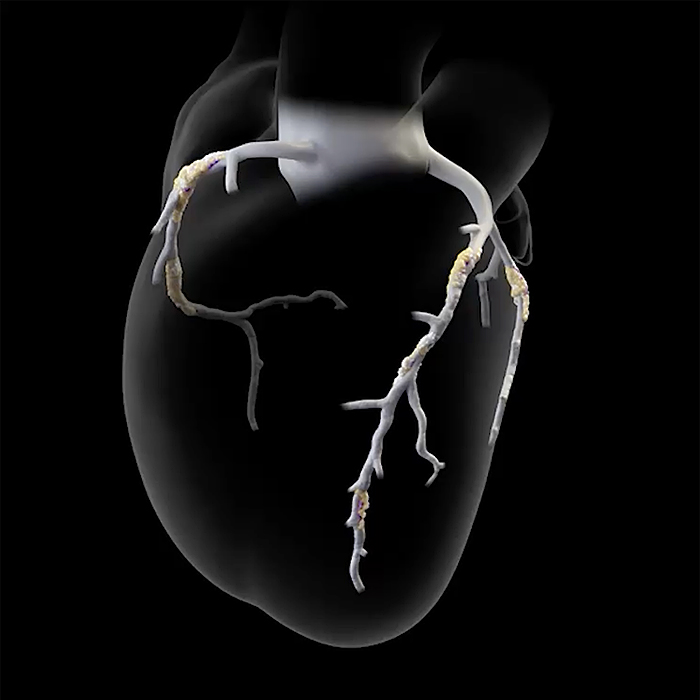
Plaque analysis is an advanced part of your CCTA report that goes beyond simply looking for blockages and identifies both hard (calcified) and soft (vulnerable) plaque—something a calcium score alone cannot do. It measures how much plaque is present and what type it is to give a more precise picture of your heart-disease risk.
SCHEDULE AN ADVANCED CT SCAN
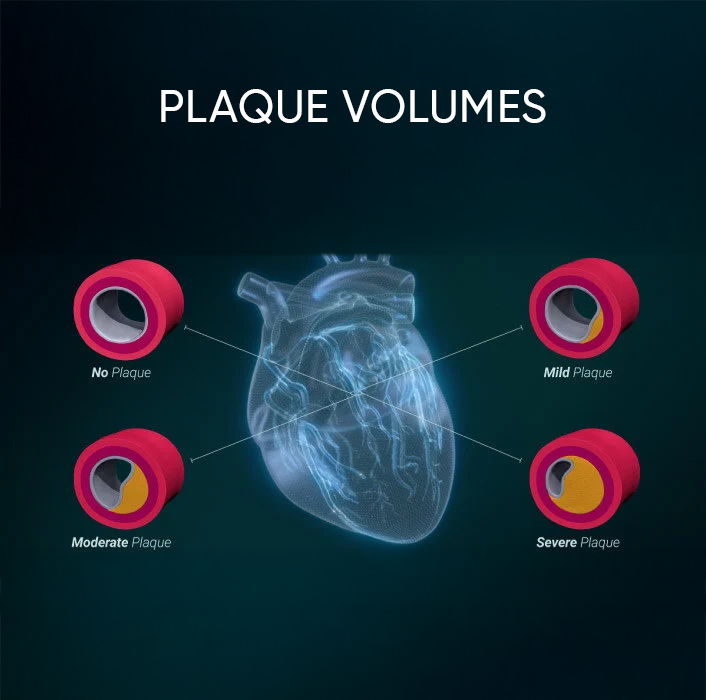
What is Plaque?
- Plaque is a mix of fat, calcium, and cholesterol that can build up in your heart’s arteries over time.
- With CCTA, doctors can see this plaque clearly, including how much there is and what type it is.
- Calcified plaque – hardened and stable
- Non-calcified plaque – newer, more likely to cause problems
- This matters because some types of plaque are more likely to cause problems like chest pain or even a heart attack.
SCHEDULE AN ADVANCED CT SCAN
Understanding Plaque Analysis
Even if arteries are not severely narrowed, plaque buildup itself can be signs of coronary artery disease. Plaque analysis helps your care team understand:
- Where plaque is located in your arteries
- How serious the blockage might be
- Whether the plaque is soft or hard, which helps show if it may be unstable or risky
- How your heart health is changing over time
- Identify early heart disease before symptoms occur
- Track changes over time (plaque regression or progression)
- Personalize treatment — such as cholesterol-lowering or anti-inflammatory therapy
In short, plaque analysis turns a picture of your arteries into a detailed “map” of your heart health.
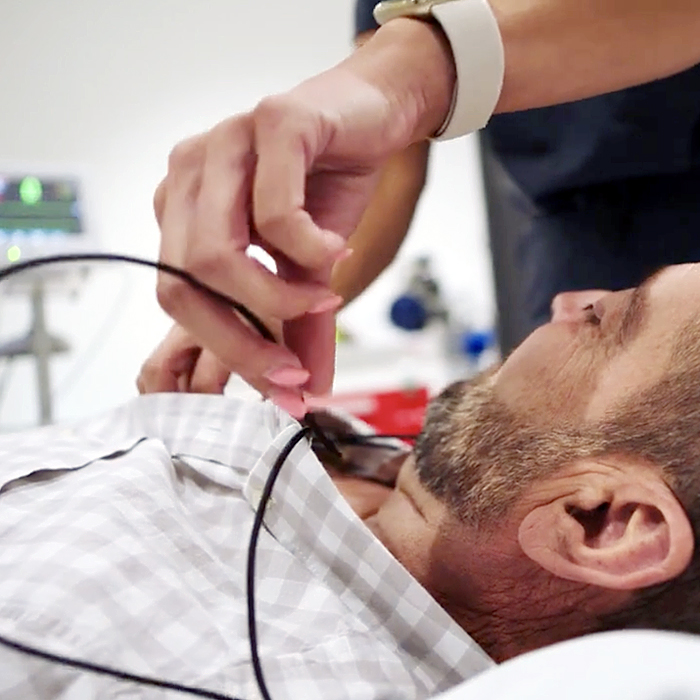
What To Expect During The Procedure
- You’ll lie on a table that slides into the CT scanner.
- Small sticky patches (electrodes) will be placed on your chest to monitor your heart rate.
- You may receive medication to gently slow your heart rate for clearer images.
- A contrast dye is injected through an IV to help highlight your arteries. You may feel a brief warm sensation.
- The scan itself is quick—usually just a few minutes—and you’ll need to stay still while the pictures are taken.
What To Expect After The Procedure?
- Most patients can return to normal activities right away.
- You’ll be encouraged to drink plenty of water to help flush out the contrast dye.
- Your care team will review the images and plaque analysis, then follow up with you to explain the results and discuss next steps.
- There are typically no side effects, though very rare reactions to the contrast dye can occur.
Safeguard Your Heart With A Coronary CT Angiography Scan with Plaque Analysis
At CardioNow, we offer onsite comprehensive cardiac testing in the greater Seattle area to reveal valuable insight into your heart’s function. So, whether you're experiencing odd symptoms or want a routine check-up for peace of mind, our advanced tests can help identify potential issues before they become significant problems. Contact us to book a cardiac testing and ensure a healthier future.
SCHEDULE AN ADVANCED CT SCAN
Schedule a Consultation With Our Expert Cardiologists
Contact Us Today
